

Direct-to-Film (DTF) printing has gained significant traction in the custom apparel industry due to its versatility and ability to produce high-quality prints on various fabrics. As businesses and entrepreneurs venture into custom T-shirt printing, selecting the right DTF printer is critical for success. The quality of prints, production speed, and ease of use all play a vital role in meeting customer expectations and running a profitable operation. If you’re planning to invest in a DTF printer, it’s important to know what features to look for to make the best choice for your business.
In this article, we’ll explore five key features you should consider before purchasing a DTF printer to ensure you’re investing in equipment that delivers high performance and suits your specific needs.
1. Print Quality and Resolution
Print quality is arguably the most important feature to consider when buying a DTF printer. No matter how fast or efficient your printer is, the final product’s quality must be top-notch to satisfy your customers. Resolution plays a significant role in determining the sharpness, vibrancy, and detail of the prints.
The resolution is typically measured in DPI (dots per inch), and higher DPI values mean that the printer can reproduce more fine details. A printer with a DPI of 1440 or higher will provide sharp, clear images, ideal for intricate designs and fine lines. This is especially important for businesses that specialize in high-end custom apparel or intricate designs that need to stand out.
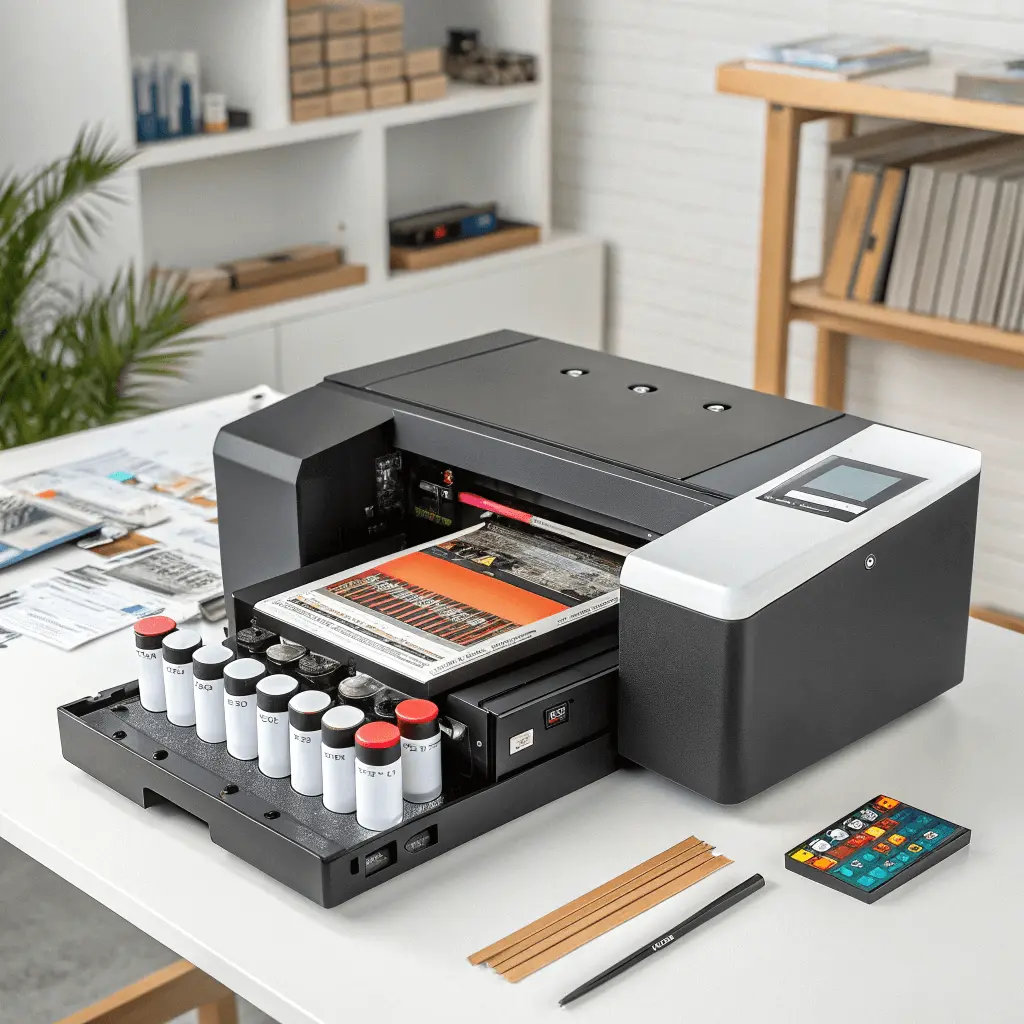
For instance, a Prestige R2 DTF printer offers exceptional print quality with a high resolution, ensuring that your designs will be vibrant and detailed. Whether you’re printing logos, complex artwork, or full-color images, a printer with high DPI will ensure your work maintains its quality over time.
2. Print Speed and Efficiency
When it comes to custom apparel, speed matters. Whether you’re fulfilling large orders or working with tight deadlines, a printer that delivers fast results can make a big difference. However, it’s important to note that print speed should not come at the expense of print quality.
Many DTF printers offer varying print speeds depending on the print mode. Some can print faster in draft mode, while others might provide more detailed prints at a slower speed. It’s crucial to find a balance that suits your business needs. If you’re working with high volumes, you’ll want a printer that can handle bulk orders without compromising the final product’s quality.
For example, printers like the Prestige R2 DTF printer offer excellent print speed without sacrificing quality, making it ideal for high-volume production. A printer that allows you to complete large orders efficiently while maintaining consistency in quality can significantly increase your business’s profitability.
3. Material Compatibility
One of the major advantages of DTF printing is its ability to print on a wide variety of materials. Whether you’re working with cotton, polyester, or a blend of fabrics, a versatile DTF printer can help you serve more customers with different fabric preferences. Some DTF printers are specifically designed to handle multiple fabric types, making them more versatile for custom printing businesses.
The ability to print on both light and dark fabrics is another crucial factor to consider. Printers that can handle both light and dark materials without requiring different inks or print settings provide a more flexible approach to custom printing.
4. Ease of Use and Software Compatibility
Even the best DTF printer can become a burden if it’s complicated to operate. A user-friendly printer will allow you to set up and start printing with minimal training or frustration. The easier the printer is to use, the more time you’ll have to focus on growing your business instead of troubleshooting.
Additionally, software compatibility is essential. Ensure that the printer you choose integrates well with design software and other tools you may be using, such as Photoshop or Illustrator. This will streamline your workflow and make the design-to-print process much smoother.
For instance, a DTF printer like the Prestige R2 DTF printer is designed with an intuitive user interface and is compatible with most design software. This makes it easier for both beginners and seasoned professionals to set up and produce high-quality prints quickly.
5. Durability and Maintenance Requirements
Investing in a DTF printer is a long-term decision, and you want a machine that will last. Durability should be a key factor in your decision-making process. A high-quality printer will be able to withstand the demands of daily use, reducing the need for frequent repairs or replacements.
In addition to durability, consider the maintenance requirements of the printer. DTF printers require regular cleaning to ensure optimal print quality and avoid ink blockages. Some printers are designed with easy-to-clean components and self-maintenance features, which can save you both time and money in the long run.
Conclusion
Choosing the right DTF printer for your business is a decision that can impact your operations for years to come. By focusing on key features like print quality, speed, material compatibility, ease of use, and durability, you can make an informed decision that supports the growth of your custom apparel business.
The Prestige printer is an excellent example of a versatile and reliable option that meets many of these criteria. No matter which model you choose, make sure it aligns with your specific needs and helps you deliver the best possible products to your customers.
As you begin your search, take the time to evaluate different options, compare features, and assess how each printer will fit into your workflow. By doing so, you can confidently invest in equipment that will support your business now and in the future.