

Choosing the right type of flooring for your home can significantly impact its aesthetic appeal and durability. Among the many options available, marble and tile flooring stand out for their timeless beauty and resilience. However, deciding between the two requires careful consideration of their characteristics, maintenance needs, and long-term costs. This article will explore the durability of marble and tile flooring, helping you make an informed choice for your home improvement project.
Marble Flooring: Characteristics and Durability
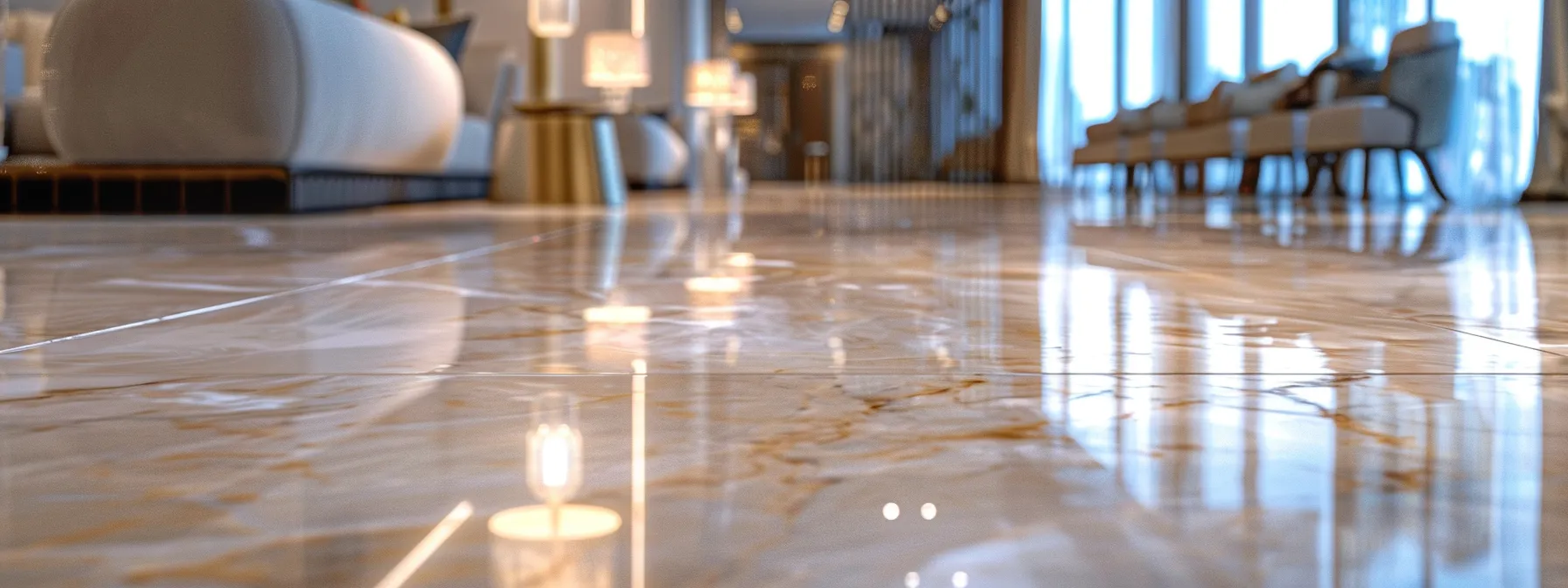
Marble Flooring is renowned for its luxurious appearance and unique veining patterns. This natural stone, often featured in high-end interior designs, is extracted in large slabs and then cut to size. One aspect that contributes to the durability of marble is its density; it is less prone to scratches and abrasions compared to softer stones. When properly sealed, Marble Flooring can withstand heavy foot traffic, maintaining its elegance over time.
Furthermore, marble’s durability is enhanced when incorporated into designs using CAD (computer-aided design) software. This technology allows for precision in cutting and fitting, ensuring a seamless installation that minimizes stress points. According to the Environmental Product Declaration (EPD), marble can last over 25 years with proper care, making it a long-term investment for homeowners seeking a classic, sophisticated look.
However, it is important to consider that marble requires regular maintenance to preserve its finish. The stone is susceptible to stains and etching from acidic substances, necessitating routine sealing and cleaning with pH-neutral products. Despite these requirements, marble remains a popular choice for those who value its natural beauty and enduring style.
Tile Flooring: Advantages and Longevity
Tile flooring offers a versatile and durable alternative to marble. Available in various materials such as ceramic and porcelain, tiles can mimic the appearance of natural stone while providing additional benefits. One of the key advantages of tile flooring is its resistance to moisture and stains, making it ideal for kitchens and bathrooms.
The durability of tile flooring is further enhanced by its resistance to scratches and impact. Porcelain tiles, for example, are fired at higher temperatures, resulting in a denser and more durable surface. This makes them suitable for areas with high foot traffic, as they can withstand the wear and tear of daily use without losing their appeal.
Moreover, tile floors offer flexibility in design with various color rendering and pattern options available. This allows homeowners to customize their spaces according to their aesthetic preferences. With proper installation, tile flooring can last 20-30 years, offering a cost-effective solution for many homes.
Comparing Maintenance Requirements for Marble and Tile
When comparing the maintenance requirements of marble and tile flooring, it’s crucial to consider how each material responds to different cleaning and upkeep routines. Marble demands regular sealing to protect its porous surface from spills and stains. As part of the maintenance routine, homeowners often refer to spec sheets provided by manufacturers to ensure they use the right products and techniques.
In contrast, tile flooring requires less intensive maintenance. Regular sweeping and mopping with a mild detergent are generally sufficient to keep tile surfaces clean and free of debris. For both marble and tile, ergonomic assessments of cleaning tools can help improve efficiency and reduce physical strain during maintenance tasks.
Despite the differences in maintenance needs, both flooring types can benefit from a punch list approach—a checklist used to address any minor issues before they escalate into significant problems. This proactive strategy can extend the lifespan of both marble and tile surfaces, ensuring they remain in excellent condition over the years.
Cost Considerations: Marble vs Tile Over Time
When evaluating the cost implications of marble versus tile flooring, it’s important to consider both the initial investment and the long-term expenses associated with each option. Marble Flooring generally involves a higher upfront cost due to the material’s premium nature and the intricacy of its installation. However, its longevity and resale value can justify the investment for many homeowners.
On the other hand, tile flooring typically offers a more budget-friendly initial cost while still delivering durability and aesthetic appeal. Over time, the lower maintenance requirements of tile can lead to cost savings, as homeowners spend less on cleaning and sealing products compared to marble. A recent study by Architectural Digest highlighted that the overall cost-effectiveness of tile flooring makes it a popular choice for budget-conscious individuals.
When making a decision, it’s essential to weigh the aesthetic preferences and financial implications of each flooring type. For those considering marble, exploring options like Marble Flooring can provide valuable insights into the variety and style available.
Conclusion

Both marble and tile flooring offer unique advantages that can enhance the beauty and functionality of your home. While marble provides a luxurious and timeless appeal with a higher initial cost and maintenance requirement, tile offers versatility, durability, and cost-effectiveness. Ultimately, the choice between marble and tile flooring depends on your personal preferences and practical considerations. By understanding the characteristics and long-term implications of each option, you can select the flooring that best suits your needs and lifestyle.