

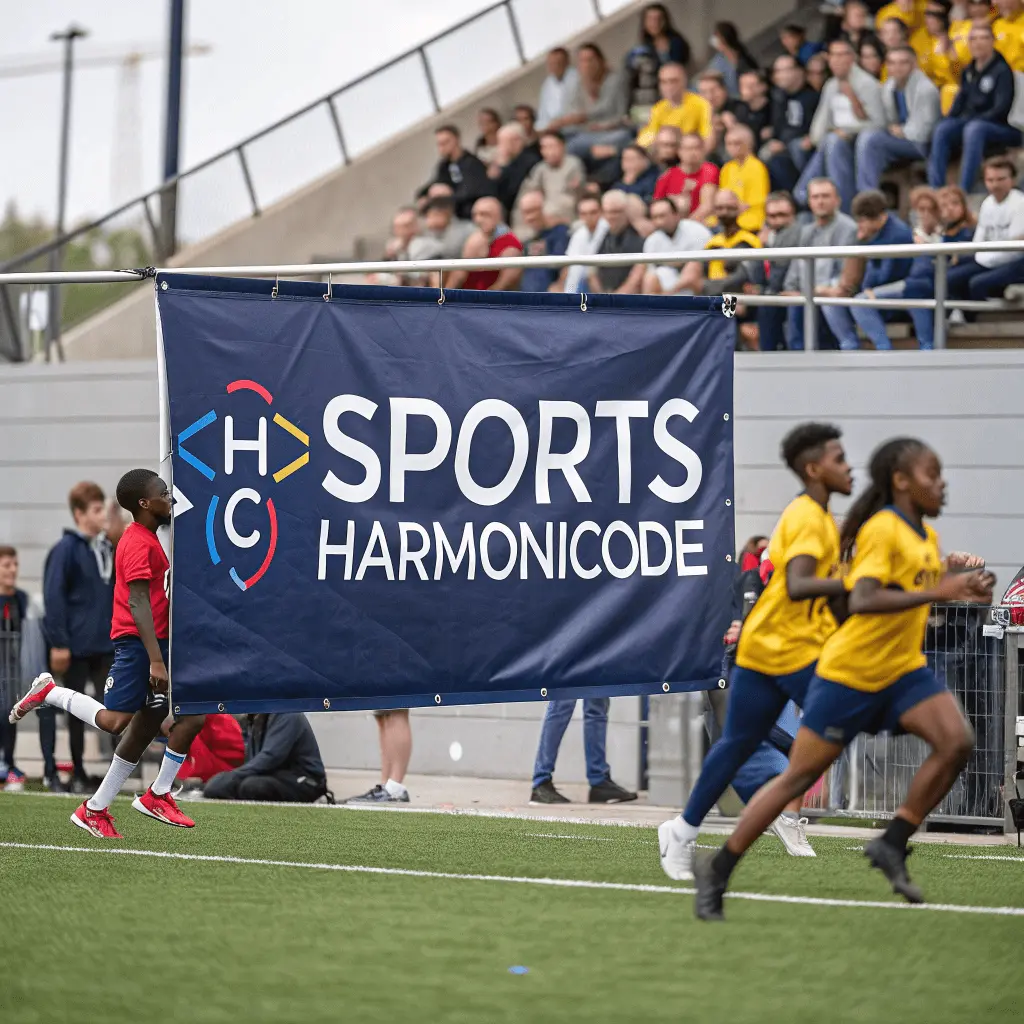
In today’s era of advanced technology and human performance, sports harmonicode is transforming how athletes train, recover, and compete. Unlike conventional training systems, this cutting-edge approach combines harmonic physics, biomechanics, coding, and interactive music to create a dynamic, personalized, and data-driven environment for sports performance. At its core, sports harmonicode bridges the physical and digital worlds, offering athletes a more immersive and intelligent way to push their limits.
Whether you’re a professional athlete, a coach, a rehab specialist, or a tech enthusiast, understanding the mechanics and potential of harmonicode sports can revolutionize the way you approach athletic development. In this article, we’ll dive deep into the evolution, science, applications, benefits, and future of harmonicode sport systems.
What is Sports Harmonicode?
The term sports harmonicode represents a fusion of “harmony,” “code,” and “sports,” signifying a discipline where athletic performance is influenced not only by biomechanics and movement science but also by programmable logic and rhythmic feedback.
It’s a hybrid training system that blends:
- Harmonic physics: To align movements with natural frequencies
- Biomechanics: To refine posture and motion
- Wearable tech and sensors: To track and provide real-time feedback
- Music and code: To build a dynamic, interactive training environment
Together, these components create a comprehensive framework to elevate physical performance, improve rehabilitation outcomes, and enhance cognitive engagement during training.
The Origins and Evolution of Harmonicode Sport
Rooted in Rhythm and Movement
The origins of harmonicode sport can be traced back to ancient practices where rhythm was integral to physical activity. Think martial arts synced with drumming or ceremonial dances performed with coordinated patterns. These practices emphasized harmony between body and sound—a core principle that harmonicode sports have taken into the 21st century.
The Digital Leap
As wearable technology, biometric sensors, and interactive music systems became more accessible, visionaries from fields like sports science, programming, and music therapy collaborated to create systems that responded to an athlete’s movement. The result was an ecosystem where performance didn’t just follow physical rules but also adapted to real-time digital feedback through rhythm and code.
Understanding the Science Behind Sports Harmonicode
1. Harmonic Physics and Frequency-Based Movement
At the heart of harmonicode sports lies harmonic physics—specifically, the principles of frequency, oscillation, and resonance:
- Frequency: Refers to the number of repetitions in a movement, such as steps per minute in running.
- Oscillation: Describes the natural swinging motion in movements like walking or punching.
- Resonance: Occurs when an athlete moves in sync with their body’s natural rhythm, maximizing power while minimizing energy waste.
By leveraging these natural properties, athletes can optimize energy efficiency and amplify power output.
2. Biomechanics and Movement Precision
Biomechanics focuses on how the body’s joints, muscles, and bones interact during movement. In harmonicode sport, this knowledge is applied through sensors and AI analysis to:
- Identify inefficiencies or imbalances in motion
- Correct posture and gait issues
- Fine-tune muscle activation patterns
This enhances performance while reducing the likelihood of overuse injuries.
3. The Integration of Code and Programmable Logic
Unlike traditional training systems, harmonicode sports introduces a programmable component. Through platforms like Max/MSP, Unity, or Python-based systems, coaches and athletes can:
- Design custom movement triggers
- Adjust training rules in real time
- Receive personalized biofeedback
For example, a dancer’s performance might influence the tempo of a soundtrack, while a boxer’s punching accuracy could trigger musical cues or visual feedback.
The Role of Technology in Harmonicode Sports
Technology is the cornerstone of sports harmonicode, enabling real-time interaction, performance tracking, and immersive environments.
1. Wearable Sensors and Haptic Devices
Athletes wear motion sensors, foot sensors, or full-body suits that collect:
- Speed
- Heart rate
- Movement angles
- Force exertion
These data points are fed into an analysis system that adjusts feedback based on performance.
2. Immersive Audio-Visual Environments
Using augmented reality (AR), sound systems, and projection mapping, harmonicode systems create fully immersive arenas. These environments react to an athlete’s performance, turning workouts into gamified experiences.
3. AI and Data Analytics
Machine learning algorithms continuously analyze movement patterns and suggest:
- Improvements in technique
- Injury prevention tips
- Performance predictions
This dynamic learning system evolves with the athlete, making each session more intelligent than the last.
Key Benefits of Sports Harmonicode
1. Enhanced Athletic Performance
By aligning biomechanics with harmonic principles and interactive feedback, harmonicode sport enables:
- Greater energy efficiency
- Improved timing and coordination
- Superior speed, power, and endurance
2. Real-Time Correction and Personalized Feedback
Traditional coaching often involves delayed feedback. With harmonicode sports, real-time correction helps athletes adjust movements instantly, reducing bad habits and accelerating progress.
3. Injury Prevention and Safer Training
Detecting imbalances or faulty movement patterns early can prevent overuse injuries. By using constant monitoring, harmonicode systems reduce the likelihood of strain or poor form going unnoticed.
4. Faster and Smarter Recovery
Rehabilitation programs can use harmonicode to guide patients through recovery with personalized, rhythm-based exercises that enhance neuro-muscular reeducation.
5. Increased Motivation and Focus
The integration of music and interactive visuals keeps athletes mentally engaged. The system rewards precision and flow, turning every session into a rewarding experience.
Real-World Applications of Harmonicode Sports
1. In Professional Team Sports
Elite teams across sports like football, basketball, and soccer are incorporating harmonicode systems to:
- Enhance coordination among teammates
- Track performance metrics
- Customize drills based on team strategy
2. In Solo Performance Sports
In running, swimming, martial arts, and gymnastics, athletes use harmonicode feedback to:
- Optimize timing
- Improve form
- Build rhythm and stamina
3. In Physical Therapy and Mental Health
For patients recovering from injury, harmonicode systems provide:
- Gentle, guided movement synced with therapeutic music
- Improved motor learning through rhythmic cues
- Cognitive engagement that aids neurological recovery
4. In Schools and Youth Programs
By teaching students to code their own sport-music interactions, harmonicode programs encourage:
- Physical fitness
- STEM learning
- Creative expression
How to Get Started with Harmonicode Sports
Step 1: Performance Assessment
Start with a biomechanical evaluation to understand your baseline capabilities, strengths, and inefficiencies.
Step 2: Data Collection
Wear sensors or motion capture suits that track metrics like movement angle, impact force, and heart rate.
Step 3: Personalized Programming
Use this data to design a custom harmonicode training protocol, integrating specific musical cues and movement targets.
Step 4: Ongoing Analysis
Regular sessions allow the AI system to learn your patterns and evolve the program for continued growth and injury prevention.
The Future of Harmonicode Sport
As AI, AR, and sensor technologies continue to evolve, the future of sports harmonicode is limitless:
- Predictive analytics will anticipate injuries before they occur
- Virtual reality may allow athletes to train in fully synthetic, adaptive environments
- Open-source platforms could democratize harmonicode sports, enabling communities worldwide to build custom experiences
Eventually, we may see harmonicode sports as standard in both elite and amateur athletic settings, from Olympic training centers to local high schools.
Frequently Asked Questions (FAQs)
1. What is sports harmonicode in simple terms?
Sports harmonicode is a high-tech training system that combines movement, music, and programming to improve athletic performance through real-time feedback and data analysis.
2. How does harmonicode sport differ from regular training?
Unlike regular training, harmonicode sport uses technology to analyze motion and give instant corrections via music, visuals, and code-triggered feedback.
3. Can anyone use harmonicode sports systems?
Yes, while originally developed for elite athletes, harmonicode systems can be adapted for beginners, rehab patients, or students.
4. Is programming knowledge required to use harmonicode?
Not necessarily. Most systems are designed to be user-friendly, but advanced users can code custom training environments.
5. What sports benefit most from harmonicode training?
Sports like gymnastics, martial arts, running, swimming, and team-based sports such as soccer and basketball benefit greatly from harmonicode systems.
6. Does harmonicode sports reduce the risk of injuries?
Yes, by identifying and correcting poor movement patterns early, harmonicode training helps prevent overuse and impact-related injuries.
7. How is music integrated into harmonicode sports?
Athletes’ movements generate or modify musical feedback, which helps reinforce proper rhythm, form, and timing.
8. Can harmonicode be used for rehabilitation?
Absolutely. Harmonicode sports are ideal for physical therapy, helping patients regain strength, mobility, and coordination through rhythmic guidance.
9. Are there mobile versions of harmonicode systems?
Yes, apps are emerging that allow users to engage with harmonicode sports using smartphones and basic wearable devices.
10. What technology is needed to get started with harmonicode sports?
Basic setups include motion sensors, a mobile app or software platform, and audio output. Advanced setups may include AR, full-body suits, and programmable software.
Conclusion
Sports harmonicode represents the next frontier in human performance. By aligning the natural rhythms of the body with cutting-edge technology and intelligent feedback systems, athletes can achieve higher efficiency, fewer injuries, and more enjoyment in their training. As the line between the physical and digital continues to blur, harmonicode sport will redefine how we train, heal, and compete.
For athletes, coaches, therapists, and educators alike, embracing harmonicode sports isn’t just an innovation—it’s a revolution.