

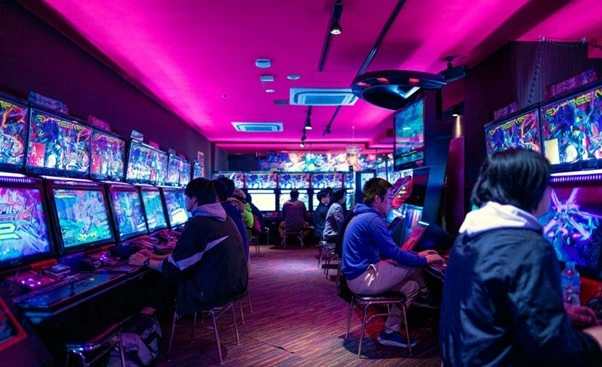
People often picture gambling as a room full of noise. Cards move across a green table. Chips stack in small towers. Dice roll while a crowd watches closely. That image has lived in movies and stories for decades. It feels loud, bright, and full of motion. Yet a large part of gambling no longer happens in those rooms. Today, much of it runs quietly inside computers.
The shift did not happen overnight. Technology slowly changed how games are built and played. First came simple machines with spinning reels. Later came digital screens and connected networks. Now entire casino systems live inside software that moves across the internet. Players may sit at home, tap a screen, and see results in seconds.
Behind that simple action sits a complex system of code. Each click travels through servers, databases, and mathematical engines that decide the outcome. What once depended on physical objects like chips and dice now depends on numbers and algorithms. The change is subtle, yet it has transformed the gambling world in ways many players barely notice.
The Physical Casino That Inspired It All
Before digital gambling existed, casinos relied on physical objects to create the game. A roulette wheel spun on a wooden table. Cards were shuffled by dealers who worked carefully under bright lights. Dice bounced across felt surfaces while players watched closely.
These games worked because players trusted what they could see. The movement of a wheel or the shuffle of a deck felt real. Results appeared in front of everyone at the table. If a ball landed on red or black, the outcome looked clear to all.
Physical casinos also carried a strong social feeling. People gathered around tables, talked with dealers, and reacted together to each result. The sounds of chips hitting the table and cards sliding across felt became part of the atmosphere.
Early Technology Inside Casinos
Even traditional casinos slowly adopted technology. Electronic slot machines replaced mechanical ones. Cameras monitored tables to prevent cheating. Computers began to track player rewards and activity.
These early systems hinted at what would come later. The core idea of gambling stayed the same, but the tools around it started to change. Technology helped casinos manage large amounts of information while keeping games fair.
Over time the digital side of the industry grew stronger. Developers realized that software could simulate many traditional casino games without needing physical equipment. Once that idea took hold, the transition toward fully digital systems began.
Software That Replaced Physical Tools
Modern online casino games recreate many of the experiences once tied to physical tables. A player may spin a digital wheel, deal virtual cards, or watch animated dice roll across the screen. Instead of physical movement, the result now comes from a computer system.
These systems rely heavily on algorithms and random number generators. Each time a player starts a game, the software generates numbers that decide the result. The numbers move quickly through the system and translate into visible outcomes.
Casino Worlds Built With Code
The technology behind digital gambling includes far more than the game itself. Secure payment systems process deposits and withdrawals. Databases store player accounts and game histories. Security tools protect the system from attacks and fraud.
People researching how these digital casino systems operate may encounter websites such as https://www.cookiecasino.com/en-CA while exploring examples of how online gaming environments combine entertainment with complex technical structures.
These systems operate quietly in the background. While players see colorful graphics and spinning reels, the real work happens inside software that handles calculations, connections, and data security.
The Role of Servers and Networks
Servers form the backbone of modern online gambling. They store the software that runs the games and process each action made by players. When someone presses a spin button or deals a card, the request travels to a server where the result is calculated.
The server then sends the outcome back to the player’s screen. This process happens so quickly that it feels instant. Yet several steps occur behind the scenes before the result appears.
Networks connect these servers across many regions. This structure allows thousands of players to access the same system at the same time. It also ensures that games remain available around the clock.
The Human Side of Digital Gambling
Despite all the technology involved, gambling still depends on human curiosity and emotion. Players continue to chase the same feelings they did in traditional casinos. They hope for a lucky moment, enjoy small wins, and share stories about memorable results.
This is exactly why interest in the best new casino USA 2026 continues to grow, as players look for fresh platforms that combine modern features with that same classic thrill. New sites are not just about bigger bonuses or sleek design—they aim to recreate that emotional pull while offering smarter gameplay, faster payouts, and a more personalized experience.
Familiar Games in New Forms
Many digital casino games look familiar because they are based on classic designs. A roulette wheel on a screen behaves much like the physical version. Card games still follow the same rules players learned at real tables.
The difference lies in how these games reach the player. Instead of traveling to a casino building, people now connect through the internet. A phone or laptop becomes the gateway to the game.
This shift has opened the door to new audiences. Someone who may never visit a physical casino can still experience similar games from home. Technology has quietly expanded access while keeping the core idea of gambling intact.
Trust in Invisible Systems
Trust remains important even in a digital environment. Players must believe that the system operates fairly and that their information remains safe. Developers therefore build layers of protection around these systems.
Security tools monitor activity and prevent unauthorized access. Independent testers often review the software to confirm that results follow the expected mathematical rules. These steps help maintain confidence in systems that players cannot physically see.
The move from chips to code has changed the surface of gambling, yet the basic idea remains the same. People still seek moments of uncertainty and reward. They still enjoy watching outcomes appear after a brief pause.