

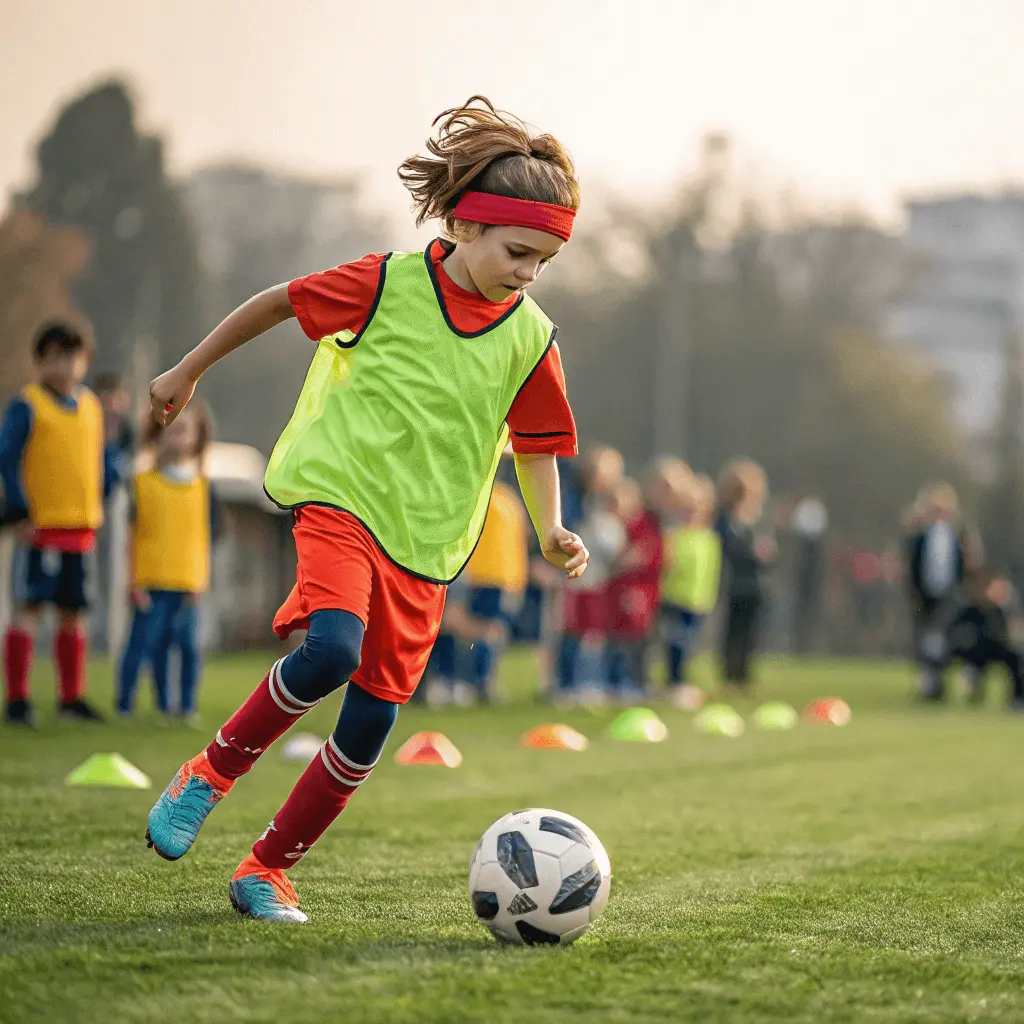
We often talk about dressing for success when it comes to job interviews or those big, intimidating board meetings. We think about how crisp a shirt looks or the mirror-like polish on a pair of shoes. But when we shift that lens to our children, the whole definition of success changes. Honestly, it has to.
For a kid, success isn’t about closing a massive deal. It’s about having the courage to climb the highest slide, the focus they need to finish a drawing, and the comfort to sit through a long afternoon of learning without feeling restricted. Dressing kids for success is really about empowering them to move through their world with genuine confidence. Have you ever noticed how much more capable a child feels when they aren’t fighting their own clothes? I think we’ve all seen that look of pure frustration when a sleeve is too tight or a tag is scratchy.
The foundation of this confidence starts from the ground up, literally. If you’ve ever seen a toddler try to run in shoes that are way too heavy, or a grade schooler trip because their laces just won’t stay tied, you know how much gear actually matters. Choosing the right sneakers is probably the most important wardrobe decision a parent makes.
These shoes are the little engines of their daily adventures.
They’ve got to be durable enough for the playground but supportive enough for a full day of school. When a child doesn’t have to worry about their feet hurting or their shoes slipping, they’re finally free to focus on the task at hand. So, why do we sometimes prioritize the look over the feel? You know, it’s a trap we all fall into occasionally.
The Psychology of Comfort and Confidence
There’s a real psychological element to how children dress. When kids feel good in what they’re wearing, they tend to act with more agency. Think about the last time you saw a child put on a superhero cape or a pair of bright, fast-looking shoes. Their whole posture changes. They stand a little taller. And that’s the point.
This isn’t just playing around.
It’s the early development of self-expression. By providing clothes that are functional and reliable sneakers, we’re telling them that their activities are important. We’re giving them the tools they need to perform their “job,” which is basically to grow and explore. I guess it’s our way of validating their world.
Comfort is the silent partner of concentration. A child who’s constantly tugging at a scratchy collar or shifting around because their waistband is too tight is a child who’s distracted. Success in a classroom setting requires a level of physical ease. We want our children to be thinking about math problems or reading stories, not about how much they want to go home and change their clothes. Soft fabrics and flexible layers allow for a range of motion that matches a child’s natural energy levels.
Finding the Balance Between Style and Function
It’s easy to get caught up in those miniature versions of adult fashion trends. While a tiny leather jacket or a pair of stiff designer boots might look adorable in a photo, they rarely serve the child’s best interests during a normal day. The goal is to find a middle ground where style meets utility. You want items that can withstand a bit of dirt and a whole lot of movement.
When you’re looking for everyday kids’ sneakers, look for breathability and ease of use. Velcro or elastic laces are a total godsend for younger children who are still mastering those motor skills. It gives them a sense of independence when they can put on their own shoes. Maybe it seems like a small thing, but to them, it’s huge.
That small act of autonomy is a huge building block for larger responsibilities later on. It’s a win for the parent and a massive boost for the child’s self-esteem.
Layering for an Unpredictable World
Children live in a world of constant microclimates. They go from a chilly bus to a warm classroom, and then right out to a windy playground. Success in these environments means being prepared for change. Layering is honestly the most effective strategy for keeping a child regulated. But how often do we remember to teach them how to do it themselves?
A simple t-shirt paired with a zip-up hoodie allows them to adjust their own temperature throughout the day. This flexibility helps prevent the mid-afternoon meltdown that often comes from being overheated or uncomfortably cold. When we dress them in layers, we’re teaching them to listen to their own bodies. We want them to recognize when they need to bundle up and when they need to shed a layer to stay comfortable. This awareness is a subtle but vital life skill they’ll use forever.
Durability as a Form of Support
Let’s be honest, kids are incredibly hard on their things. A pair of pants might start the day looking pristine and end it with grass stains on both knees. Honestly, that’s just a sign of a day well spent. As parents, we should view durability as a way to support their curiosity. If we dress them in clothes that are too fragile, we inadvertently send the message that they shouldn’t play too hard or get too messy. And who wants to grow up with those kinds of restrictions?
Investing in quality staples, especially sneakers, ensures that their gear can keep up with them. A shoe with a reinforced toe and a sturdy sole means fewer scraped toes and more successful jumps. I’ve seen shoes give up the ghost after just a week, and it’s heart-wrenching for everyone involved.
It means the shoes will actually last.
This reliability provides a sense of stability for the child. They know their gear won’t fail them when they’re in the middle of a big game.
Final Thoughts on Empowering the Next Generation
Dressing kids for success isn’t about vanity or following the latest trends. It’s about removing the obstacles that stand in the way of their development. It’s about choosing fabrics that breathe, shapes that allow for movement, and shoes that provide the literal foundation for their day.
When we prioritize their comfort and functionality, we’re setting them up to be the best versions of themselves. We’re giving them the freedom to run faster, jump higher, and sit longer. We’re showing them that we value their comfort and respect the hard work of being a kid. At the end of the day, a successful outfit is one that a child forgets they’re even wearing because they’re too busy conquering their world. Isn’t that the real goal of parenting?