

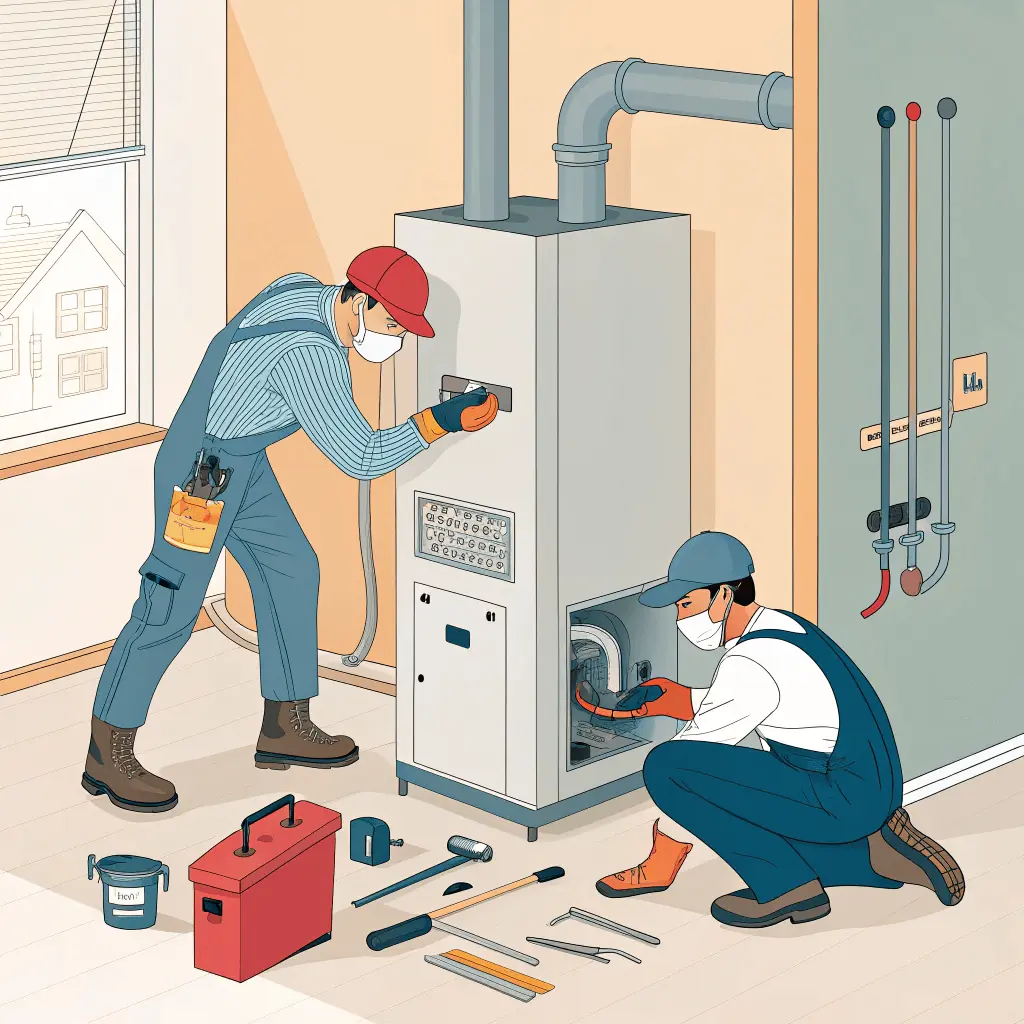
Installing a new furnace is an excellent decision when you want to enhance comfort and efficiency throughout your home. Not many of us may know what happens during this process. Learning how this process is executed, including its various stages, can help homeowners feel prepared for the installation of a new heating system.
Initial Assessment and Planning
A site assessment takes place before any installation is done. Professionals review the existing unit, take measurements of the space, and discuss your heating needs. This helps ensure the new system will suit the needs of your property. During a Cincinnati furnace swap, technicians review ductwork, electrical, and ventilation in the initial stages. This process can help detect any problems that might affect safety or performance.
Selecting the Right Furnace
The type of furnace you should choose depends on several technical aspects. Its size, energy efficiency, and whether the new system can be integrated with existing systems matter the most. Experts provide recommendations that match your home’s heating requirements. Selecting the right furnace size helps you avoid future issues like uneven heating and high power consumption. Understand energy ratings to make better choices for long-lasting savings.
Preparing for Removal
Technicians take every precaution to keep the area safe before removing the previous unit. Floors and the surrounding areas are covered up. Supplies of power and fuel are cut off to avoid risks (dangerous situations). They inspect every part and outlet for residual gas or oil and ensure proper ventilation during the swap. This preparation helps reduce risks and prevents your home from turning messy during the swap.
Removing the Old Furnace
Removing the old unit may take time. Professionals remove the old unit carefully. Technicians may also need to disconnect electrical wiring, fuel lines, and ductwork connected to the furnace. Finally, the old furnace is removed from its location. They clean up any debris or dust to set up their workspace. Once the previous system has been removed, the installation area is examined before the new equipment is installed.
Inspecting and Upgrading Connections
All connections that existed before removing the old furnace are reviewed once again. For a new furnace to be functional upon installation, ducts, wiring, and fuel lines need to be in good shape. In some cases, repairs or improvements are required to ensure compliance with current safety standards. Duct sealing or changing old wires may be required to ensure that the new system works efficiently. These upgrades help avoid several future issues.
Installing the New Furnace
Next, prepare and move the new furnace into position. Ideal positioning ensures an even flow of air and seamless performance. Technicians fasten the unit, hook it up to the ductwork, and reconnect wiring and fuel lines. They follow the installation and safety tips that the manufacturing company suggests. They check seals and ensure that there are no air leaks before tightening the fastenings.
Testing and Calibration
After installation, the unit is subjected to several tests. Technicians power the furnace and examine how it works, testing to ensure that the heat rises evenly. Calibration of controls is necessary for temperature control. They test all the safety features, including limit switches, carbon monoxide detectors, and more. Furthermore, the required adjustments are made to ensure reliable, safe operation.
Final Inspection and Clean-Up
The last step of a furnace swap is the final inspection. Technicians check all connections, confirm safety codes, and answer any questions the homeowner might have. All remaining packaging or debris is removed. System operation and maintenance are also completed. This gives you peace of mind as you begin using your new furnace. You can also set up appointments for scheduled maintenance in the coming period.
Ongoing Maintenance and Support
Regular maintenance increases the longevity of a heating system. Hence, regular inspection and filter change keep your unit running at peak performance in every season. With professional support, you can handle small challenges before they turn into big problems. Owners who remain vigilant and ensure timely maintenance experience greater comfort and enjoy lower utility bills in the long run.
Conclusion
Familiarizing yourself with the stages of a furnace swap can help you relax when you need to order a furnace replacement for your home. When professionals handle the installation, the colder months become more comfortable, even as energy efficiency remains high. This way, you can enjoy peace of mind every day from morning to night.